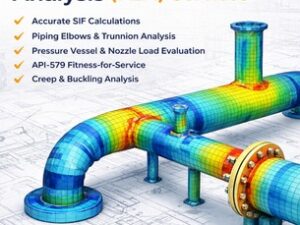
Seismic Design refers to the process of planning and constructing structures that can withstand the forces generated by earthquakes. It is a critical discipline in engineering that ensures buildings, pipelines, and industrial systems remain stable during seismic activity. With increasing industrial expansion in earthquake-prone regions, the importance of this field has grown significantly.
In industries like oil and gas, manufacturing, and power generation, the impact of seismic events can be catastrophic if not properly addressed. That is why firms such as Little P.Eng. Engineering play a vital role in designing resilient systems that prioritize safety, compliance, and long-term performance in challenging environments.
Why Seismic Design Matters for Industrial Systems
Industrial systems often involve complex infrastructure such as piping networks, heavy machinery, and structural frameworks. These components must be designed to handle both operational loads and unexpected seismic forces. Ignoring these factors can lead to severe operational disruptions and financial losses.
Beyond economic concerns, there is also a strong focus on human safety and environmental protection. A well-executed Seismic Design approach ensures that facilities can continue operating safely or shut down without causing harm, even during intense ground movement.
Core Principles Behind Seismic Design
At its foundation, seismic engineering focuses on flexibility, strength, and energy dissipation. Structures must be capable of absorbing seismic energy without collapsing, which requires careful selection of materials and structural configurations. Engineers often use advanced simulations to predict how systems will behave under stress.
Another essential aspect is redundancy, which ensures that if one component fails, others can take over the load. This approach minimizes the risk of total system failure and enhances resilience in critical industrial environments where downtime is not an option.
Role of Structural Engineering in Seismic Safety
Structural engineering plays a central role in ensuring seismic resilience by designing frameworks that can withstand lateral forces. This includes the use of reinforced materials, bracing systems, and base isolation techniques that reduce the impact of ground motion on structures.
For companies like Little P.Eng. Engineering, structural expertise is combined with real-world industrial requirements. Their work ensures that facilities are not only compliant with standards but also optimized for durability and operational efficiency under seismic conditions.
Importance of Piping Design and Stress Analysis
Piping systems are particularly vulnerable during earthquakes because they carry fluids under pressure and often span large distances. Proper design must account for movement, vibration, and thermal expansion, especially when seismic forces come into play.
Stress analysis is used to identify weak points and ensure that the system can handle both static and dynamic loads. By integrating these techniques, engineers can prevent leaks, ruptures, and system failures that could otherwise have serious consequences.
Simulation and Advanced Engineering Tools
Modern engineering relies heavily on simulation tools to model seismic scenarios and predict system behavior. These tools allow engineers to test different configurations and materials before actual construction begins, saving time and reducing risks.
Using simulation also enables better decision-making when optimizing designs for both cost and safety. This approach is a key part of how Little P.Eng. Engineering delivers reliable and efficient solutions tailored to complex industrial needs.
Practical Recommendations for Effective Seismic Design
Implementing effective seismic strategies requires a combination of planning, analysis, and continuous monitoring. Engineers must consider site-specific conditions such as soil type, seismic history, and structural layout to create tailored solutions.
- Conduct detailed site assessments before design begins
- Use flexible materials and joints in piping systems
- Regularly inspect and maintain structural components
- Integrate modern simulation tools for accurate predictions
These practical steps help ensure that industrial systems remain resilient and adaptable in the face of seismic challenges.
Legal and Regional Considerations in Seismic Engineering
Different regions have specific building codes and regulations that govern seismic safety. Compliance with these standards is not optional and plays a crucial role in ensuring both safety and legal protection for companies operating in high-risk areas.
In countries with active seismic zones, regulatory frameworks often require detailed documentation and certification of engineering designs. By following these guidelines, organizations can avoid penalties and ensure that their systems meet the highest safety standards.
Integrating Seismic Design into Industrial Planning
Incorporating Seismic Design early in the planning phase leads to more efficient and cost-effective projects. It allows engineers to address potential risks before construction begins, reducing the need for expensive modifications later.
For comprehensive solutions in industrial systems, you can explore Seismic Design services offered by experts. Their approach ensures that every aspect of the system is analyzed and optimized for both safety and performance.
Challenges in Implementing Seismic Design
Despite its importance, implementing seismic strategies can be challenging due to budget constraints, complex system requirements, and evolving regulations. Engineers must balance cost efficiency with safety without compromising on quality.
Another challenge lies in adapting older infrastructure to meet modern seismic standards. Retrofitting existing systems requires careful planning and advanced techniques to ensure that upgrades are both effective and economically viable.
Future Trends in Seismic Engineering
The future of Seismic Design is being shaped by advancements in technology and materials science. Innovations such as smart sensors, real-time monitoring systems, and AI-driven simulations are transforming how engineers approach seismic safety.
These developments are enabling more accurate predictions and faster responses to seismic events. As industries continue to evolve, the integration of these technologies will play a key role in enhancing resilience and sustainability.
Conclusion
Seismic resilience is no longer a secondary consideration but a fundamental requirement for modern industrial systems. From structural integrity to operational continuity, every aspect of engineering must account for the potential impact of earthquakes.
Partnering with experienced firms like Little P.Eng. Engineering ensures that your projects are designed with precision, safety, and compliance in mind. Investing in Seismic Design today is a proactive step toward protecting your assets, workforce, and future operations.